
Contactless Patient Intake
 Neeta
March 17, 2021
Practice Management
Neeta
March 17, 2021
Practice Management
What Contactless Patient Intake Means for Modern Healthcare Practices
The healthcare industry has undergone a massive transformation in recent years. What began as a response to the COVID-19 crisis has now evolved into a long-term shift toward digital healthcare solutions. One of the most impactful changes is the adoption of contactless patient intake systems.
Today’s patients expect safe, fast, and convenient healthcare experiences. At the same time, providers must balance operational efficiency, compliance, and patient satisfaction. Traditional intake methods paper forms, crowded waiting rooms, and manual data entry no longer meet these expectations.
This is where digital patient intake solutions step in, redefining how healthcare organizations onboard and engage patients.
Why Contactless Patient Intake Is No Longer Optional
Healthcare providers are rapidly moving toward contactless check-in systems and online patient intake forms not just for safety, but for efficiency and better outcomes.
1. Minimized Physical Contact, Maximized Safety
The healthcare industry has undergone a massive transformation in recent years. What began as a response to the COVID-19 crisis has now evolved into a long-term shift toward digital healthcare solutions. One of the most impactful changes is the adoption of contactless patient intake systems.
Today’s patients expect safe, fast, and convenient healthcare experiences. At the same time, providers must balance operational efficiency, compliance, and patient satisfaction. Traditional intake methods paper forms, crowded waiting rooms, and manual data entry no longer meet these expectations.
This is where digital patient intake solutions step in, redefining how healthcare organizations onboard and engage patients.
2. Early Risk Identification with Digital Screening
Modern patient intake software enables healthcare providers to conduct pre-visit health screenings remotely.
Patients can:
- Fill out symptom checkers
- Share medical history digitally
- Complete COVID or other risk assessments
This allows clinics to identify potential risks early and prepare accordingly improving both safety and care delivery.
3. Remote Work Capabilities for Healthcare Staff
Healthcare isn’t just about patient safety it’s also about protecting your workforce.
With cloud-based patient intake systems, administrative teams can:
- Verify insurance remotely
- Manage appointments digitally
- Access patient data securely from anywhere
This flexibility reduces dependency on physical front desks and improves staff productivity.
4. Enhanced Patient Engagement and Experience
A smooth intake process sets the tone for the entire patient journey.
Online patient registration systems offer:
- Faster check-ins
- Reduced waiting times
- Easy communication channels
Patients are more likely to engage when they can complete processes at their convenience. This leads to better satisfaction scores and stronger patient relationships.
5. Faster, Contactless Payment Collection
Billing is a critical yet often inefficient part of healthcare operations.
With contactless payment solutions in healthcare, providers can:
- Accept digital payments
- Automate billing reminders
- Reduce claim delays and bad debts
This improves revenue cycle management (RCM) and ensures steady cash flow.
How Elixir Enables Seamless Contactless Patient Intake
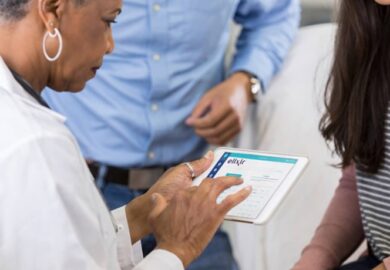
Healthcare organizations need more than just tools they need an integrated ecosystem. Elixir offers a comprehensive platform to digitize and streamline the entire intake process.
1. Multi-Channel Patient Outreach
Elixir integrates with multiple digital platforms, enabling providers to capture leads through:
- Websites
- Social media
- Patient portals
This ensures no opportunity is missed and improves patient acquisition.
2. Smart, Contactless Data Collection
From online forms to mobile inputs, Elixir simplifies digital patient data collection.
Key capabilities include:
- Automated form workflows
- Secure document uploads
- Real-time data syncing
This eliminates paperwork and reduces administrative errors.
3. Automated Pre-Admission Workflows
Elixir streamlines patient pre-admission assessments by:
- Automating data validation
- Notifying relevant stakeholders
- Ensuring compliance
This reduces delays and improves operational efficiency.
4. Intelligent Insurance Verification
Insurance verification is often time-consuming and error-prone.
Elixir simplifies this with:
- Automated eligibility checks
- Integration with clearinghouses
- Real-time verification updates
This helps reduce claim denials and speeds up reimbursements.
5. Built-in Telehealth Capabilities
Telehealth is now a core component of modern healthcare.
Elixir supports:
- Virtual consultations
- Automated appointment scheduling
- Secure video integrations
This enhances accessibility and expands care delivery options.
6. Advanced Payment and Billing Management
Elixir improves financial workflows by:
- Tracking payments in real time
- Sending automated reminders
- Integrating with payment gateways
This ensures a smoother billing experience for both providers and patients.
The Future of Healthcare Is Contactless and Connected
Contactless patient intake is not just a temporary trend it’s the foundation of modern digital healthcare transformation.
By adopting cloud-based patient intake solutions, healthcare providers can:
- Improve operational efficiency
- Enhance patient safety
- Increase revenue
- Deliver better patient experiences
Organizations that embrace this shift today will be better positioned to meet the evolving expectations of tomorrow.
Final Thoughts
The transition to contactless patient intake systems is a strategic move toward smarter, safer, and more efficient healthcare delivery.
Solutions like Elixir empower providers to:
- Eliminate manual processes
- Reduce risks
- Improve patient engagement
- Streamline revenue cycles
If you’re looking to modernize your healthcare practice, now is the time to embrace digital patient intake and contactless healthcare solutions.
Recent Posts
Categories
Recent Comments
Archives
- May 2026
- April 2026
- March 2026
- December 2025
- November 2025
- September 2025
- June 2025
- May 2025
- April 2025
- March 2025
- February 2025
- November 2024
- September 2024
- July 2024
- April 2024
- February 2024
- November 2023
- September 2023
- August 2023
- May 2023
- February 2023
- January 2023
- July 2022
- April 2022
- March 2022
- February 2022
- January 2022
- December 2021
- November 2021
- October 2021
- September 2021
- March 2021
- October 2020
- May 2020